

Key Takeaways for Investors:
•Market Growth: The global EV charging market is projected to grow at a CAGR of 25.5% through 2030.
•ROI Potential: Well-sited DC fast charging stations can achieve a payback period of approx. 2.5 - 4 years.
•Top Opportunity: Fleet charging and Destination charging (Retail/Hotels) offer the most stable revenue streams for 2026.
•Immediate Action: Securing grid capacity and strategic locations is the critical first step.
The Global EV Shift: A Prime Business Opportunity
The rapid transition to electric vehicles (EVs) is creating an urgent demand for charging infrastructure. For investors, this gap represents a high-growth electric car charging stations business opportunity.
Key Market Drivers:
* Current Scale: Global EV sales hit a record 14 million in 2023, capturing 18% of the market (IEA).
* 2030 Forecast: Projections indicate EVs will exceed 60% of new car sales in major markets.
* Future Demand: To support this fleet, BloombergNEF estimates the world needs over 290 million charging points by 2040.
Investing now ensures early entry into this evolving clean energy landscape.
Table Of Contents
Market Overview
The Global EV Charging Surge: A $121 Billion Horizon
The global market for electric vehicle charging stations is experiencing exponential growth, fueled by government incentives and the urgent shift toward carbon neutrality. While China leads in current volume, aggressive infrastructure rollouts are accelerating across Europe, North America, and the Middle East. BloombergNEF projects this market to surpass $121 billion by 2030, with a robust CAGR of 25.5%. This rapid expansion creates a high-stakes electric vehicle charging stations business opportunity for investors ready to enter the market now.
(See the table below for a detailed regional breakdown)
EV Charging Station Growth Forecast by Major Region (2023-2030)
| Region | 2023 Charging Stations | 2030 Forecast | CAGR (%) |
|---|---|---|---|
| North America | 150,000 | 800,000 | 27.1 |
| Europe | 500,000 | 2,500,000 | 24.3 |
| Asia-Pacific | 650,000 | 3,800,000 | 26.8 |
| Middle East | 10,000 | 80,000 | 33.5 |
| Global | 1,310,000 | 7,900,000 | 25.5 |

Types of Charging Stations
Level 1 (Slow Charging)
Level 1 charging uses standard household outlets (120V) with low power output, typically 1.4-2.4 kW. It is ideal for overnight charging at homes or offices, providing about 5-8 km of range per hour. While cost-effective and easy to install, it is relatively slow and best suited for daily commuting and situations where vehicles can remain plugged in for extended periods.
Level 2 (Medium Charging)
Level 2 chargers operate at 240V, delivering 3.3-22 kW of power. They can add 20-100 km of range per hour, making them popular in residential, commercial, and public locations. Level 2 charging offers a balance between speed and cost, suitable for most private owners and commercial operators, and is the most prevalent type in urban and suburban areas.
DC Fast Charging (Rapid Charging)
Best For: Highway service areas and high-traffic urban transit hubs.
Key Specifications:
* Power Output: 50 kW – 350 kW
* Charging Speed: Reaches 80% charge in under 30 minutes.
* Requirement: Needs significant grid capacity, but delivers maximum convenience for long-distance travel.
Public Charging Stations
Definition: Open-access stations available to all EV drivers, designed for high visibility and steady footfall.
Prime Locations:
* Shopping Malls & Retail Centers
* Office Complexes
* Public Transit Centers
Business Value: These high-traffic spots generate diversified revenue streams beyond just charging fees.
Private Charging Stations
Definition: Exclusive stations with restricted access, prioritizing security and control.
Target Users:
* Corporate Fleets: For internal business operations.
* Residential Communities: For apartment complexes and condos.
Advantage: Flexible management ensures chargers are always available for authorized personnel.
Fleet Charging Stations
Designed For: Commercial operations including taxis, logistics trucks, and ride-hailing vehicles.
Core Efficiency Features:
* High-Power Output: Minimizes vehicle downtime.
* Smart Dispatching: Optimizes charging schedules based on energy costs.
* Centralized Management: Streamlines fleet operations and reduces OPEX.
Level 1 VS Level 2 VS DC Fast Charging Comparison
| Type | Charging Voltage | Charging Time | Cost |
|---|---|---|---|
| Level 1 Charging | 120V (North America) / 220V (some regions) | 8-20 hours (full charge) | Low equipment cost, easy installation, low electricity cost |
| Level 2 Charging | 208-240V | 3-8 hours (full charge) | Moderate equipment cost, requires professional installation, moderate electricity cost |
| DC Fast Charging | 400V-1000V | 20-60 minutes (80% charge) | High equipment and installation cost, higher electricity cost |

Opportunity business models and benefits of EV charging stations
Full Ownership
Under the Full Ownership model, the investor independently funds the entire project, retaining 100% control over assets and operations. This approach is ideal for well-capitalized entities, such as real estate developers, who seek long-term asset appreciation. While it carries the highest initial risk, it also offers the maximum potential for profit through direct charging fees and auxiliary revenue.
Partnership Model
The Partnership Model involves a strategic alliance, such as a Public-Private Partnership (PPP), where investment costs and operational duties are shared. This structure is best suited for entities looking to leverage external resources, such as land provided by municipalities or technology from energy firms. By distributing financial liability, partners can significantly reduce individual risk while increasing resource efficiency.
Franchise Model
A Franchise Model allows investors to operate under an established brand through a licensing agreement, gaining immediate access to proven technology and operational support. Common terms typically include a unified billing platform and shared marketing resources. This option lowers entry barriers for SMEs and entrepreneurs, enabling rapid deployment, though it requires a revenue-sharing commitment with the franchisor.
Revenue Streams
1. Pay-per-use Fees
Users pay based on electricity consumed or time spent charging, the most straightforward revenue source.
2. Membership or Subscription Plans
Offering monthly or yearly plans to frequent users increases loyalty and stabilizes income.
3. Value-added Services
Ancillary services such as parking, advertising, and convenience stores generate additional revenue.
4. Grid Services
Participating in grid balancing via energy storage or demand response can yield subsidies or extra income.
Charging Station Business Model Comparison
| Model | Investment | Revenue Potential | Risk Level | Ideal For |
|---|---|---|---|---|
| Full Ownership | High | High | Medium | Large operators, real estate owners |
| Franchise | Medium | Medium | Low | SMEs, entrepreneurs |
| Public-Private Partnership | Shared | Medium-High | Low-Medium | Municipalities, utilities |
EV Charging Station Opportunity Siting & Installation
Step-by-Step Guide to Launching Your Station
Step 1: Strategic Site Selection. Prioritize high-traffic venues such as retail centers and highway exits where drivers naturally park for extended periods. Analyzing local EV ownership density beforehand is essential to guarantee sufficient daily charging demand and maximize utilization rates.
Step 2: Grid Capacity Assessment. Consult utility providers immediately to confirm the specific power availability for high-demand DC chargers. Infrastructure upgrades can range from $28,000 to $140,000, making sites with pre-existing grid capacity significantly more profitable by avoiding these heavy upfront costs.
Step 3: Navigating Permits & Compliance. Initiate the permitting process early to navigate complex zoning laws and safety standards like ADA compliance. Meeting these regulatory requirements not only mitigates legal risks but is often a mandatory prerequisite for securing government grants and public trust.
EV Business Opportunities Financial Analysis
1.Investment and Return
Initial Capital Breakdown: The primary startup costs include equipment procurement, civil engineering, and grid connection fees. For a DC fast charging station, total investment typically ranges from $28,000 to $140,000, depending on power output.
Site-Specific Variables: Location choice directly impacts the budget. While high-traffic downtown spots may incur higher rent, avoiding complex transformer upgrades is often the most effective way to control initial expenditure.
2. Operating Costs
Core Operating Expenses:recurring costs are comprised mainly of electricity tariffs, network software service fees, and equipment maintenance.
Cost Optimization Strategy: Smart scheduling is a critical tool for profitability. By leveraging time-of-use pricing and avoiding peak-hour energy rates, operators can significantly reduce their largest overhead expense—electricity.
3.Profitability
ROI Timeline: Well-sited stations utilizing government incentives typically achieve a payback period of 3 to 5 years.
Key Profit Drivers:
•Subsidies & Tax Credits: Programs covering 30-40% of infrastructure costs (common in EU and US) drastically lower the entry barrier.
•Revenue Diversification: Integrating auxiliary income streams, such as digital advertising screens or retail partnerships, effectively boosts per-site margins beyond simple charging
Detailed Financial Model
1. Initial Investment Breakdown
Equipment procurement (e.g., DC fast charger): $60,000/unit
Civil works and installation: $20,000
Grid connection and upgrade: $15,000
Permitting and compliance: $5,000
Total investment (per site, 2 DC fast chargers): $160,000
2. Annual Operating Costs
Operational Financial Breakdown: For a typical station selling 200,000 kWh annually, the primary expense is electricity, costing approximately $36,000. Additional overheads include maintenance ($6,000), network management ($4,000), and insurance ($4,000). This results in a Total Annual Operating Cost of $50,000, ensuring clear visibility on expenditure before calculating net profit.
3. Revenue Forecast and Return
Pay-per-use charging fee ($0.40/kWh × 200,000 kWh): $80,000
Value-added revenue (parking, advertising): $10,000
Total annual revenue: $90,000
Annual net profit: $40,000
Payback period: $160,000 ÷ $40,000 = 4 years
Case Study
Amsterdam Commercial Hub. This dual-charger site in a shopping center required a net investment of €105,000 after municipal subsidies. By processing 180,000 kWh annually, the station generates €88,000 in revenue against €45,000 in operational costs. This efficiency yields a net profit of €43,000, achieving a rapid Payback Period of 2.5 years.
Ready to calculate your potential earnings? Every location is unique, and generic estimates can be misleading. Skip the guesswork and contact us today to receive a personalized revenue projection based on your specific local grid and traffic data. [Get Your Free Custom ROI Assessment].
Challenges and Risks in Europe and North America
1.Rapid Technological Iteration
The Challenge of Obsolescence: Early charging stations risk becoming underutilized assets because they often lack the capacity to support modern 350kW ultra-fast charging standards.
Strategic Upgrade: To avoid asset depreciation, operators should prioritize investing in modular hardware. This approach allows for cost-effective component upgrades—keeping pace with EV evolution without the need for full station replacement.
2.Intensifying Market Competition
Market Saturation Risks: In prime urban hubs, an influx of competitors has triggered fierce price wars, causing profit margins to shrink significantly for smaller players.
Survival Strategy: Instead of engaging in race-to-the-bottom pricing, success now lies in differentiation. Operators must implement tiered membership systems and upgrade site amenities to build long-term user loyalty.
3.Grid Constraints and Energy Price Volatility
Grid Capacity Bottlenecks: Insufficient local grid capacity can cause months-long commissioning delays.
Solution: Integrating on-site Battery Energy Storage Systems (BESS) can effectively bypass these utility constraints.
Energy Cost Management: Volatile electricity prices directly threaten operating costs.
Solution: Adopting smart charging strategies to leverage off-peak rates is essential for stabilizing margins during energy crises.
4.Regulatory Changes and Compliance Pressure
Tightening Regulations: Governments are strictly enforcing new standards for data protection and accessibility. Non-compliance now risks immediate fines or shutdowns. Compliance Checklist:
•Payment Security: Upgrade to encrypted, open-loop payment systems to meet data privacy laws.
•Accessibility: Retrofit sites with barrier-free designs (e.g., wheelchair ramps) to satisfy mandates like the ADA.
Future Trends and Opportunities
1.Integration of Renewable Energy
Strategic Benefit: Integrating renewable energy sources like solar and wind is a proven strategy to slash long-term operating costs while boosting green credentials.
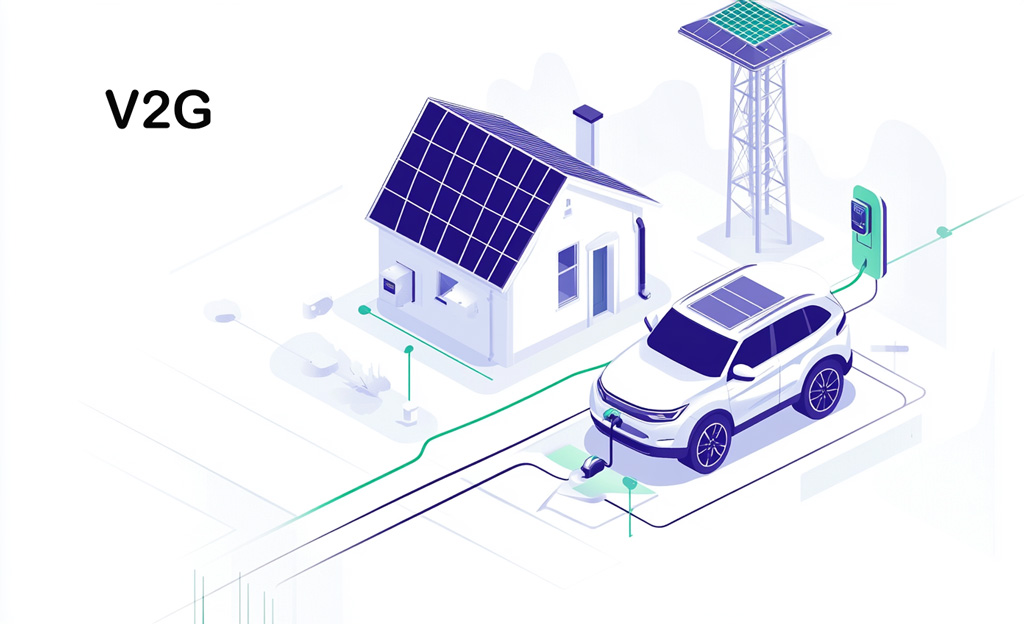
The V2G Opportunity: Vehicle-to-Grid (V2G) technology transforms EVs into mobile energy assets. By allowing vehicles to feed electricity back to the grid during peak hours, operators can generate a new, high-margin revenue stream beyond simple charging fees.
Smart Application: Combining on-site storage with smart grids enables stations to store cheap daytime solar energy for nighttime use, maximizing self-sufficiency and profitability.
2.Fleet and Commercial Charging
Market Demand: The rapid electrification of delivery vans and ride-hailing services is driving an urgent need for dedicated, high-performance charging hubs.
Technical Requirements: To ensure operational efficiency, fleet stations require high-power output combined with intelligent scheduling systems that guarantee 24/7 vehicle availability.
Commercial Value: Unlike sporadic public charging, securing commercial fleet contracts guarantees high-frequency usage. This provides operators with predictable, stable cash flow and significantly reduces investment risk.
Outlook: Are Electric Car Charging Stations a Good Opportunity?
The Final Verdict: Electric car charging stations stand as one of the decade's most promising investment frontiers. Driven by relentless policy support and technological innovation, market momentum is accelerating. To capitalize on this, operators must move beyond observation and adopt flexible, data-driven strategies immediately. Investing early in scalable, intelligent networks is the proven path to securing a competitive edge and maximizing long-term profitability.
FAQ
Q1: What are the most profitable EV charging business opportunities for 2025?
High-yield opportunities are concentrated in sectors with guaranteed demand and government support. Key models include:
•DC Fast Charging: Essential for high-traffic highway and urban hubs.
•Fleet Hubs: Dedicated sites for logistics and taxi fleets ensuring steady usage.
•Green Charging: Stations integrated with renewable energy to lower operational costs.
Q2: How do I choose the right business model for my site?
Your choice depends on your available capital, risk tolerance, and target audience.
•Wholly-Owned: Best for large enterprises seeking full asset control and maximum profit.
•Franchising: Ideal for SMEs and municipalities looking for lower entry barriers and operational support.
Q3: What are the key challenges facing the EV charging market?
Investors must navigate several operational and technical hurdles to ensure success:
•Rapid Tech Changes: Risk of hardware obsolescence (e.g., speed upgrades).
•Grid Constraints: Limited power capacity in older urban areas.
•Compliance: Evolving regulations on data safety and payment standards.
•Competition: Increasing density of stations in prime locations.
Q4: What should I look for when buying an existing charging business?
Before acquiring a station, conduct strict due diligence on its operational health. Verify these core metrics:
•Site Utilization: Check historical traffic and charging frequency.
•Equipment Condition: Assess maintenance logs and hardware age.
•Revenue History: Review past financial performance and growth trends.
•Local Potential: Analyze future EV adoption rates in the specific area.
Q5: How can I maximize ROI on EV business opportunities?
Achieving a fast payback period requires a combination of strategic planning and revenue diversification:
•Location Strategy: Prioritize high-dwell-time areas like retail centers.
•Subsidies: Leverage government grants to offset setup costs.
•Diversified Income: Add revenue streams like digital advertising and retail partnerships.
•Future-Proofing: Invest in scalable infrastructure to avoid early upgrade costs.
Authoritative Sources
IEA Global EV Outlook 2023
BloombergNEF Electric Vehicle Outlook
European Alternative Fuels Observatory
International Energy Agency (IEA) Global Electric Vehicle Outlook
BloombergNEF Electric Vehicle Outlook
U.S. Department of Energy Alternative Fuels Data Center
Post time: Apr-24-2025